

 by
by 
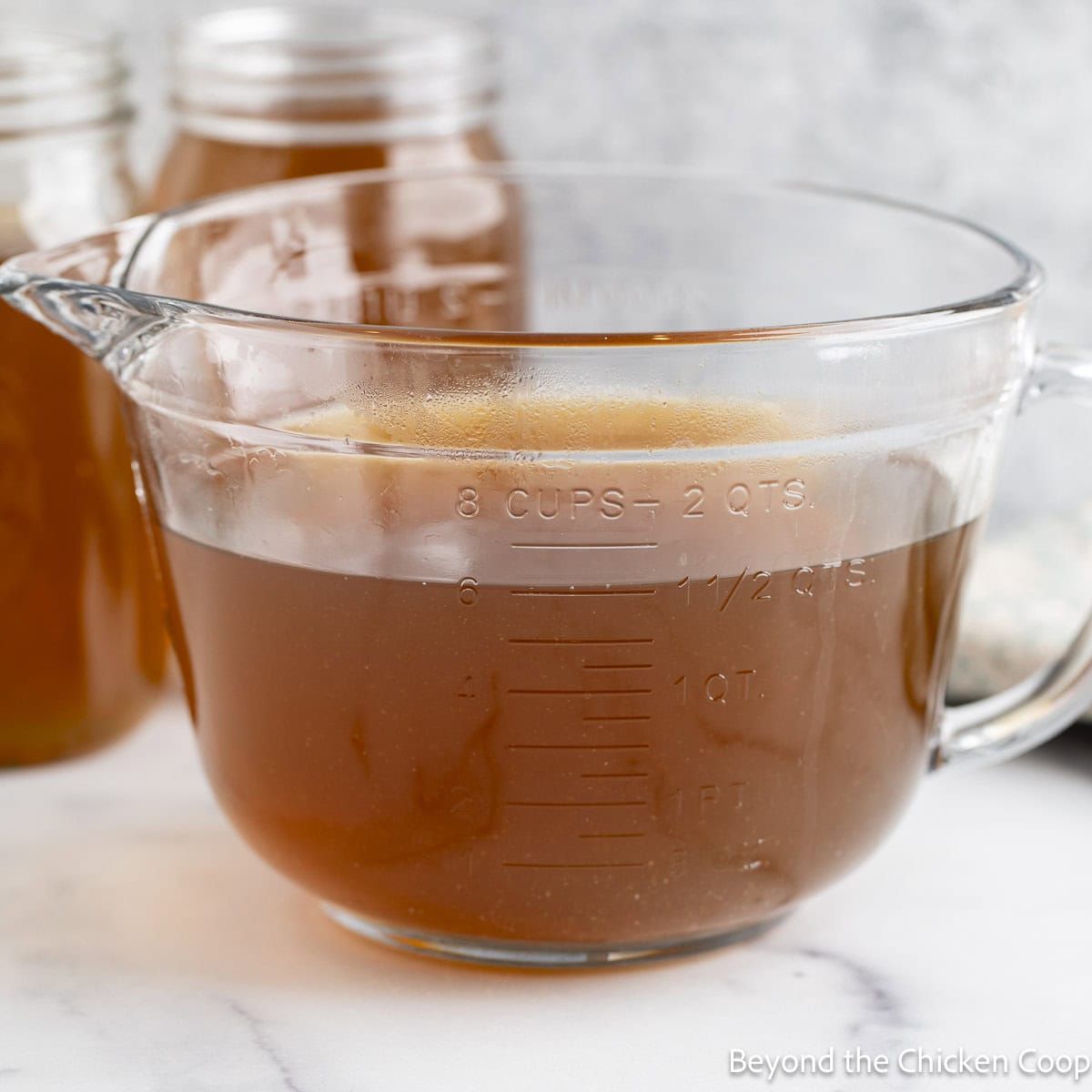
Making homemade stock isn't difficult, and this vegetable stock is perfect for using in soups, sauces, and gravies.
It's made with a mixture of fresh vegetables, herbs, and aromatics that create a full-flavored stock. You can use whatever vegetables you have on hand, making it a great way to use up scraps or odds and ends from your fridge.
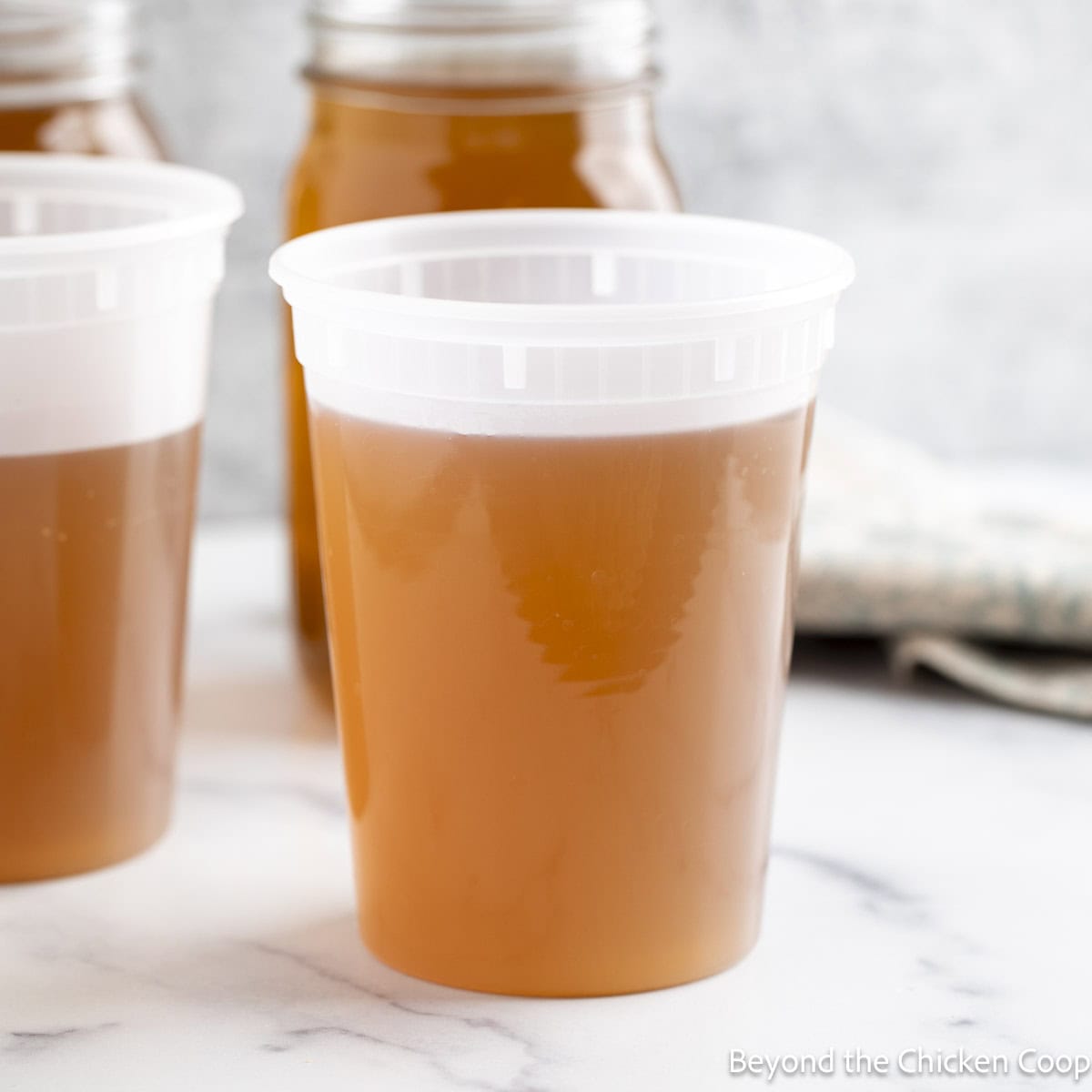
Homemade veggie stock
It's easy to grab a carton of prepared vegetable stock at the store, but it's just as easy to make a homemade batch right in your own kitchen. Homemade vegetable stock is easy to make, and you get to control the ingredients.
Once made, you can store it in the refrigerator to use within a week or store it in the freezer to use whenever you need it.
Ingredients for making vegetable stock
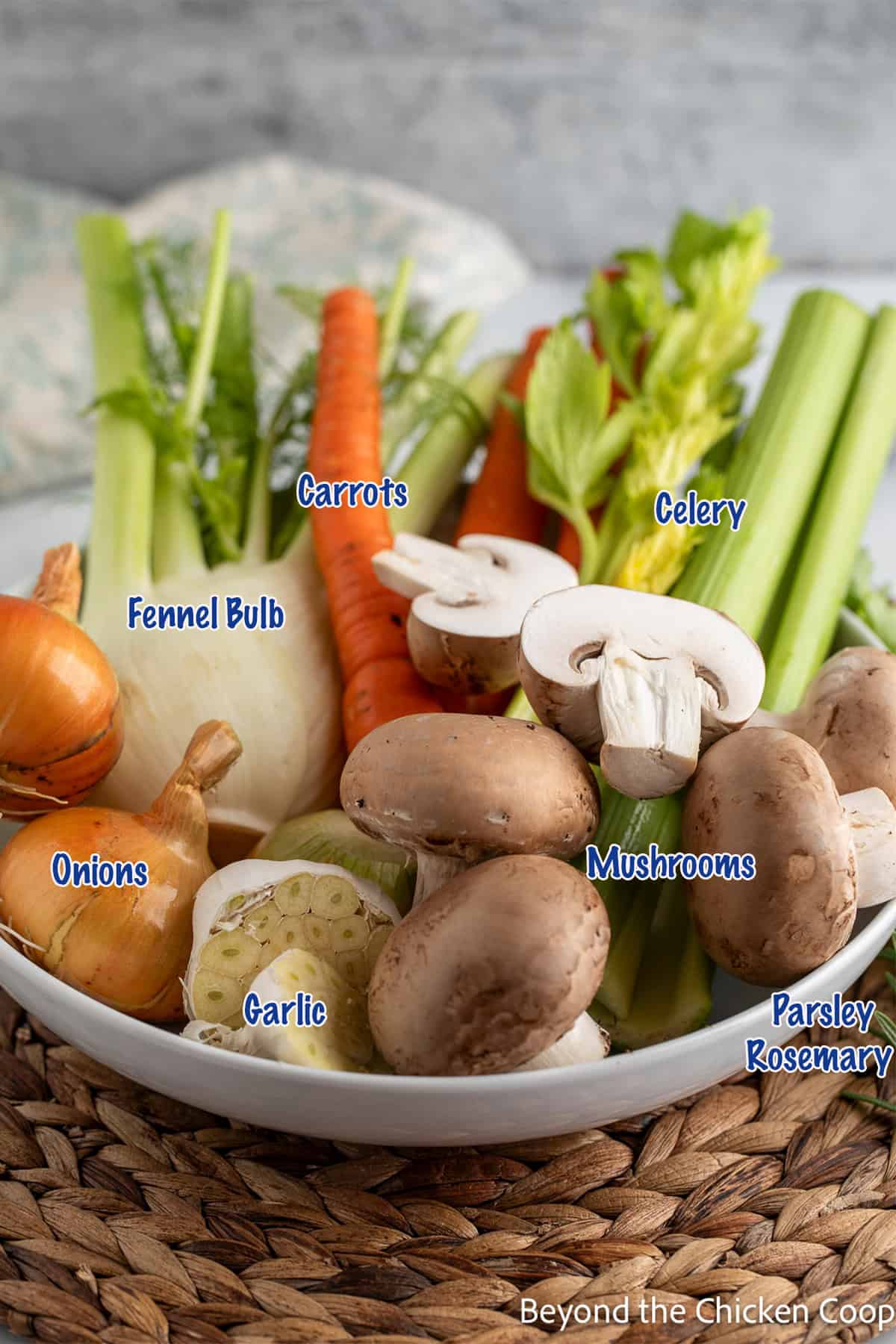
Must haves
- Onions - Add flavor and color to the stock. Use a white or yellow onion and leave the skins on. Avoid using a sweet onion or a red onion.
- Carrots - Adds flavor and nutrients. Wash the carrots well, but don't peel them. You may trim off the top if it looks old. Really fresh carrot tops can be left on. Avoid using precut baby carrots.
- Celery - Use fresh green stalks. May include the leaves from the center stalks.
- Fennel - The bulb adds a subtle sweetness and flavor to the stock. I also include any fronds that are attached to the bulb.
- Mushrooms - Adds flavor and color, and umami flavor.
- Garlic - Use a whole head of garlic, with the skin intact. I cut the head in half to expose the cloves.
- Fresh Herbs - I like to use parsley and rosemary. You can also use thyme, oregano, and a bay leaf.
Optional
- Leek tops - You can use the entire leek or just the tops.
- Peppercorns - Black or red peppercorns can be added.
- Salt - I don't usually add salt to my stock. Instead, I add it to whatever recipe I'm making with the stock. If you prefer to add salt, add it to taste after straining your stock.
Avoid using
- Avoid using cruciferous vegetables like broccoli, cauliflower, brussels sprouts, or cabbage. They will add a bitter taste that isn't pleasant.
- It's okay to use veggie scraps, but make certain they are clean and free from mold or decay.
How to make vegetable stock
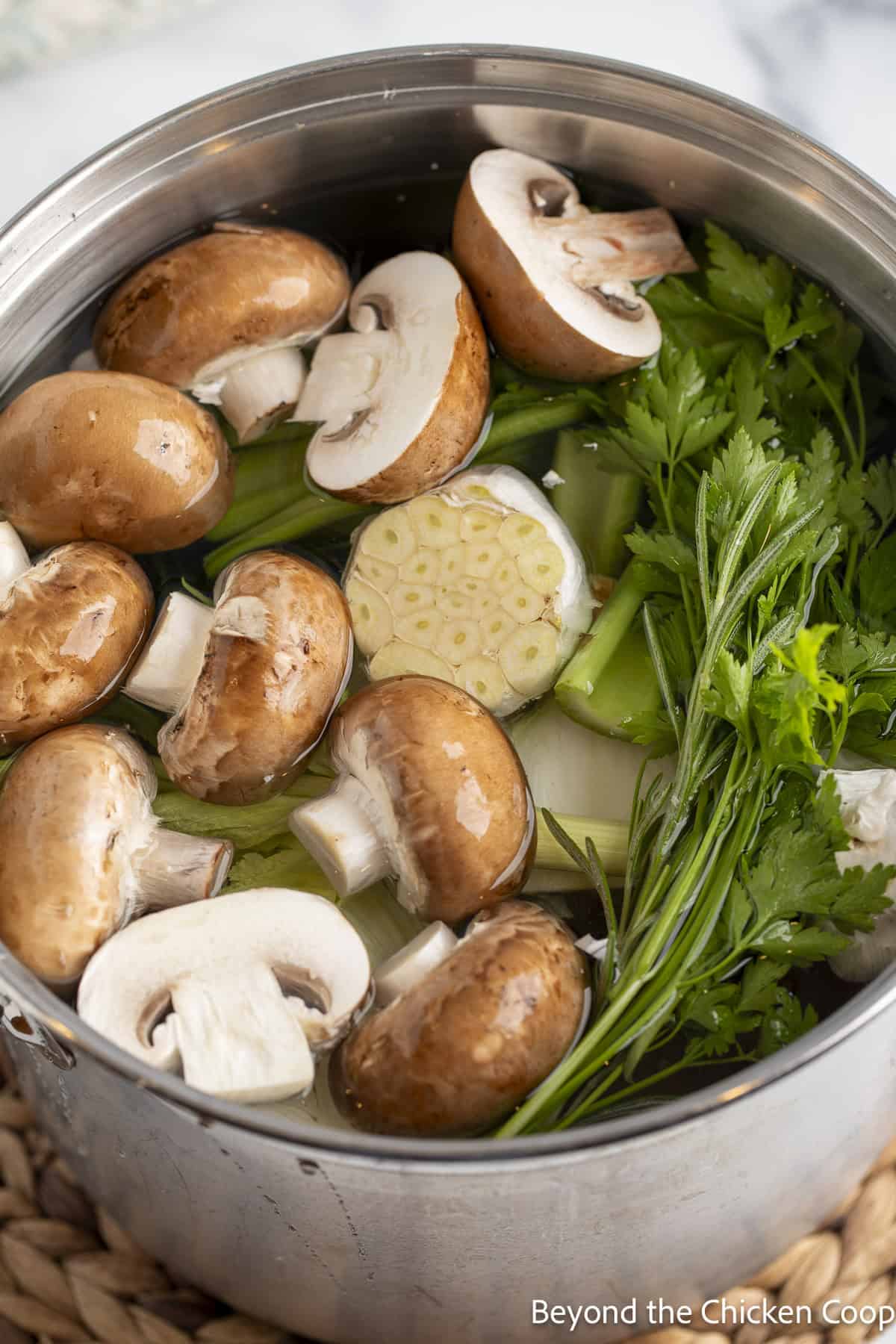
- Rinse all veggies so they are free from dirt. Cut off any blemishes or scars.
- Cut larger carrots and celery into 3-4 inch pieces. Cut onions, garlic, mushrooms, and fennel in half.
- Place everything into a large stockpot. Fill with cool water.
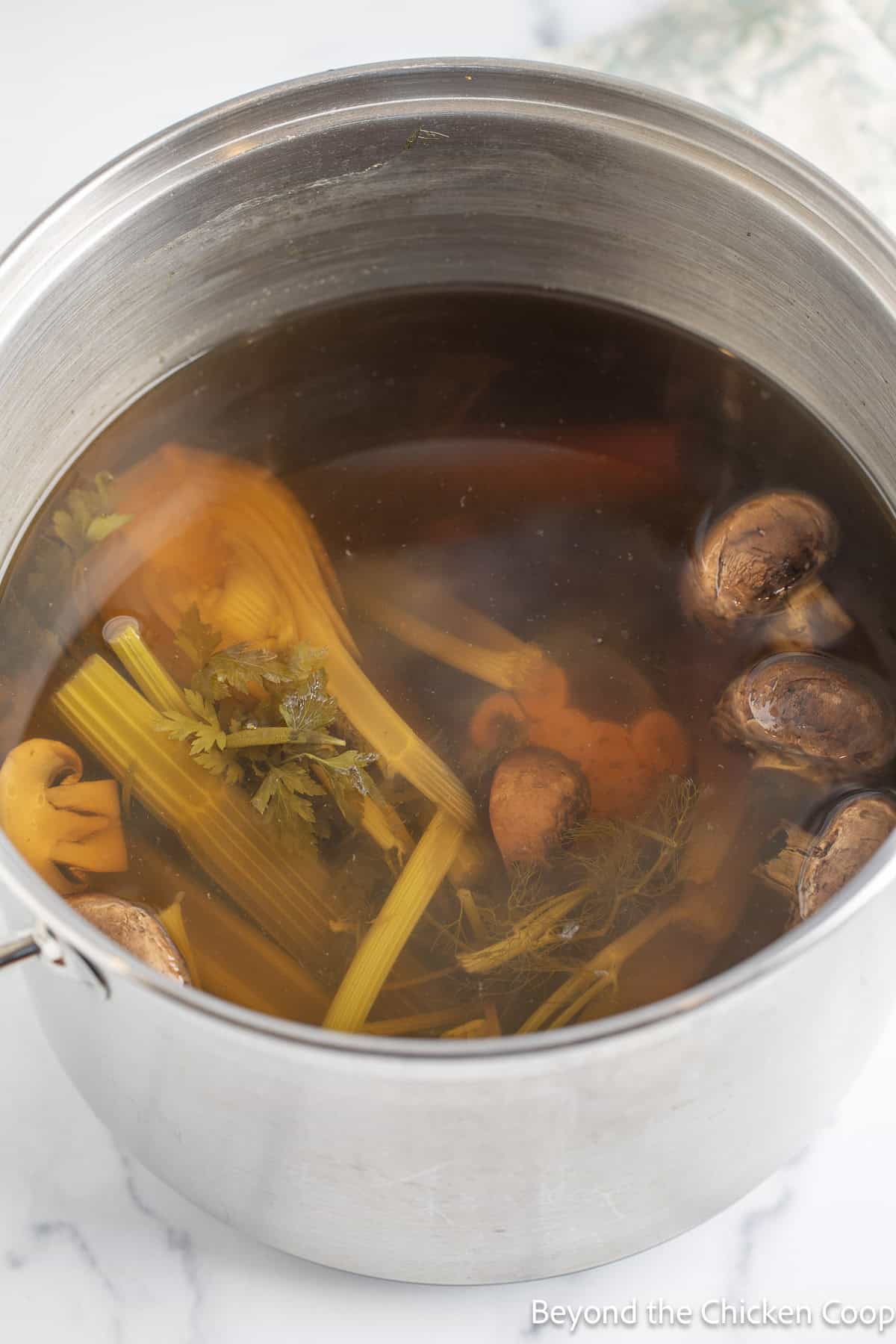
- Place the pot uncovered over medium heat until it begins to simmer. Then turn to low to medium-low to maintain a simmer.
- Leave the pot uncovered and simmer for 3-4 hours until the water has reduced by a third and the desired taste has been achieved.
- Place a fine-meshed sieve over a large bowl and pour the stock through the sieve. Place strained stock in containers and refrigerate or freeze. Discard strained veggies.
Recipe tips
- This vegetable stock is flexible with the ingredients you use. Feel free to use what you have on hand. However, avoid using cruciferous vegetables such as broccoli, cauliflower, Brussels sprouts, or cabbage. They will add a bitter taste that isn't pleasant.
- Keep the pot uncovered. You want the stock to reduce, so the steam needs to evaporate.
- Add salt if desired after the stock has been strained. I usually leave it unsalted and season the final dish instead. That way, I can control the salt level based on what I'm making.
Kitchen Tip
Keep a bag of veggie scraps in your freezer. When you're preparing a recipe and have onion skins, garlic cloves, celery leaves, or clean carrot peels, toss them into a freezer-safe bag. When it's time to make a pot of stock, grab that bag and add the frozen scraps straight to the pot.
Frequently asked questions
Use within 5-7 days.
Yes, store in a freezer-safe container and freeze in a deep freezer. Best if used within one year.
Yes, the vegetable stock may be canned using a pressure canner. Please follow my instructions for canning chicken stock for the necessary times and pressure.
Ways to use vegetable stock
Use in any recipe calling for chicken stock or vegetable stock.
- Butternut Squash Soup
- Creamy Potato Soup
- Use veggie stock instead of water when making quinoa, couscous, or rice.
- Homemade Rice a Roni
- Saffron Rice
- Green Bean Casserole
- Carrot Ginger Soup
More delicious stocks to make

If you make this recipe, I’d love to hear about it! Leave a comment below and snap a picture and tag me on Instagram @beyondthechickencoop
Check out all my delicious soup recipes.





Vegetable Stock
Equipment
- Large Stock Pot
Ingredients
- 2 Medium Onions (white or yellow)
- 4 Celery Stalks (Include any leaves)
- 3 Carrots (Washed, not peeled)
- 8 ounce Mushrooms (white or brown)
- 1 Fennel Bulb
- 1 head Garlic
- 6 sprigs Italian Parsley
- 1 sprig Rosemary
- 1 Bayleaf (fresh or dried)
- 6 Quarts Water
Instructions
- Rinse all veggies so they are free from dirt. Cut off any blemishes or scars.
- Cut larger carrots and celery into 3-4 inch pieces. Cut onions, garlic, mushrooms, and fennel in half.
- Place everything into a large stockpot. Fill with cool water.
- Place the pot uncovered over medium heat until it begins to simmer. Then turn to low to medium-low to maintain a simmer.
- Leave the pot uncovered and simmer for 3-4 hours until the water has reduced by a third and the desired taste has been achieved.
- Place a fine-meshed sieve over a large bowl and pour the stock through the sieve. Place strained stock in containers and refrigerate or freeze. Discard strained veggies.
- Cool and store in the refrigerator for 5-7 days or in the freezer for up to one year.
Notes
- This vegetable stock is flexible with the ingredients you use. Feel free to use what you have on hand. However, avoid using cruciferous vegetables such as broccoli, cauliflower, Brussels sprouts, or cabbage. They will add a bitter taste that isn't pleasant.
- Keep the pot uncovered. You want the stock to reduce, so the steam needs to evaporate.
- Add salt if desired after the stock has been strained. I usually leave it unsalted and season the final dish instead. That way, I can control the salt level based on what I'm making.
Nutritional Disclaimer:
Nutritional information is provided as a courtesy and should only be construed as an estimate rather than a guarantee. To obtain the most precise nutritional information in a provided recipe, you should calculate the nutritional information with the exact ingredients you are using when preparing the recipe using your preferred nutrition calculator.




Leave a Reply